You Can't Patch Culture Problems With Policies
Updated: Jan 1
I was sitting in a conference room last month, listening to a CEO explain his latest culture initiative. "We've updated our employee handbook," he said, sliding a thick binder across the table. "New policies on communication, respect, and accountability. This should fix the toxic environment we've been dealing with."
I've heard some version of this conversation hundreds of times. Leaders who believe they can policy their way out of culture problems. It's like trying to fix a leaky roof with better weather forecasts.
Here's what I've learned after decades of watching organizations try this approach: You can't write your way to a culture that people actually want to be part of.
The Policy Trap
Most leaders reach for policies when culture problems surface because policies feel like control. They're concrete. Measurable. You can point to page 47 of the handbook and say, "See? We addressed that."
But culture isn't lived in handbooks. It's lived in hallways, break rooms, and Monday morning meetings. It shows up in how your manager responds when you make a mistake. Whether your ideas get heard or dismissed. If promises made in interviews actually match the reality of working there.

I worked with a company that had beautiful policies about "open communication" and "psychological safety." The handbook read like a workplace utopia. But when an employee raised concerns about a toxic manager, HR's first response was, "Did you follow the proper escalation procedure outlined in section 12.3?"
The policy existed. The feeling didn't.
Where Policies Fall Short
Policies address behavior. Culture is about feeling.
You can have a policy that says "We value work-life balance" while your leadership team sends emails at 11 PM and expects responses. You can mandate "respectful communication" while tolerating managers who humiliate people in meetings.
The disconnect isn't intentional, it's just human. Most leaders genuinely want better cultures. They write policies with the best intentions. But they're trying to solve an emotional problem with a procedural solution.
Think about the last time you felt truly welcomed somewhere. Was it because they handed you a customer service manual? Or was it something in how they looked at you, the tone in their voice, the extra moment they took to make sure you felt seen?
That's the difference between service and hospitality. Service follows the policy. Hospitality creates the feeling.
The Real Culture Drivers
Culture lives in the moments between the policies. It's shaped by what leaders actually do when they think no one's watching.
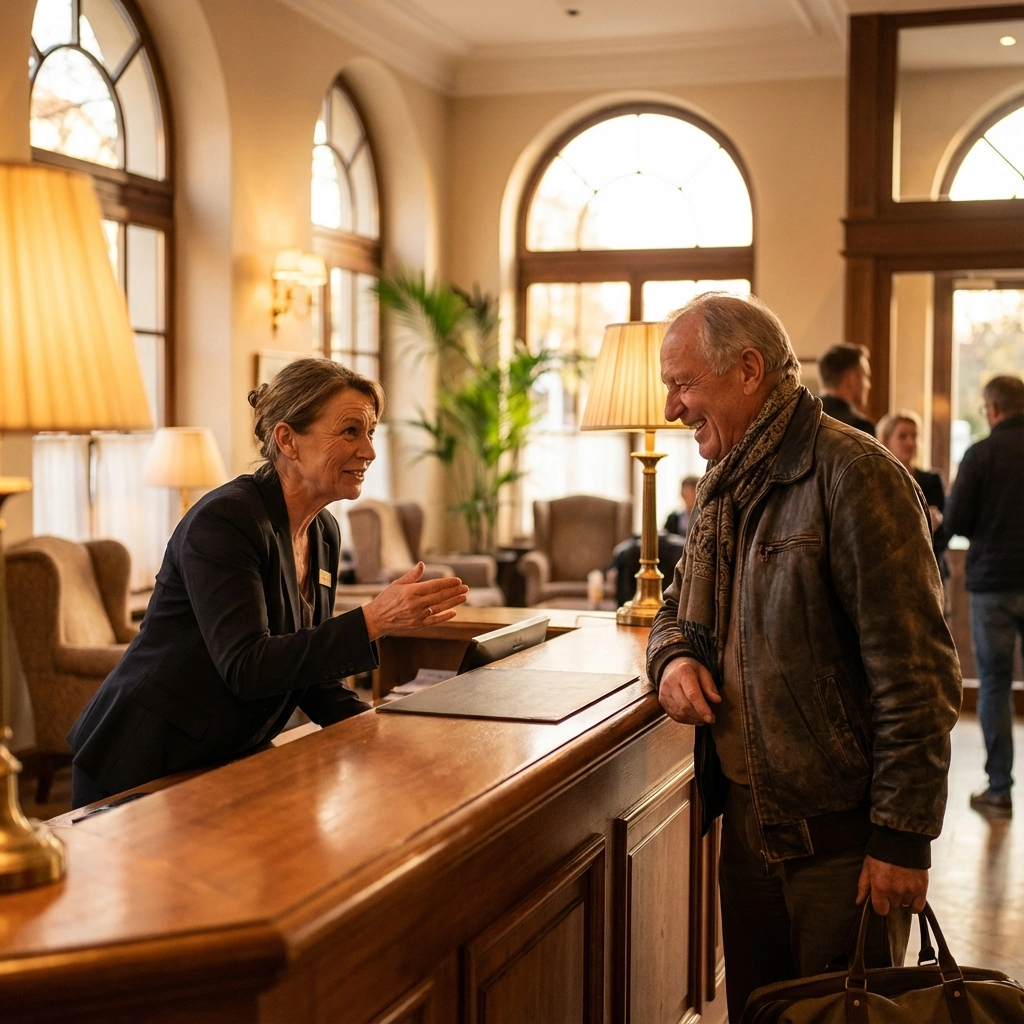
I remember visiting a hotel where the employee handbook probably said all the right things about guest service. But when I asked the front desk clerk about local restaurants, her response was flat: "There's a list on the website." Policy followed. Box checked.
Compare that to another place where the person behind the counter lit up: "Oh, you have to try this little place around the corner. Tell them Sarah sent you: they'll take great care of you." Same task. Completely different feeling.
The difference wasn't in their training manual. It was in how that person felt about their work, their team, and whether anyone had ever shown them what genuine care looked like.
What Actually Changes Culture
Real culture change happens when leaders start paying attention to how their actions make people feel, not just whether they're following procedures.
It's the manager who notices when someone's struggling and asks, "What support do you need?" instead of, "Why aren't you meeting your metrics?"
It's leadership that admits mistakes instead of deflecting to policy: "We handled that poorly. Here's how we'll do better."
It's the everyday choice to see people as humans, not resources to be managed through compliance.
I've watched organizations transform not because they rewrote their handbooks, but because leaders started showing up differently. They became more present in conversations. More honest about challenges. More willing to address the gap between what they said they valued and what people actually experienced.
The Leadership Presence Factor
Policies can tell people what you expect. Only leadership presence can show them what you actually value.
When a leader walks through the office with their head down, scrolling through their phone, they're communicating something about priorities: regardless of what the "open door policy" says.
When someone makes a mistake and the first response is curiosity instead of blame, that teaches people more about psychological safety than any policy manual ever could.
When leaders consistently choose difficult conversations over comfortable silence, they model the kind of culture they want to create.

This isn't about being perfect. It's about being intentional. About recognizing that every interaction is either building the culture you want or reinforcing the one you're trying to change.
The Hospitality Mindset Shift
The most effective culture changes I've seen happen when leaders shift from thinking like policy enforcers to thinking like hospitality professionals.
Hospitality professionals understand that their job isn't just to complete tasks: it's to create experiences. They know that people remember how you made them feel long after they forget what you said or did.
This mindset changes everything. Instead of asking "Are we compliant?" leaders start asking "How did that interaction land?" Instead of managing to the handbook, they manage to the feeling they want to create.
It's the difference between a manager who says, "Company policy requires two weeks' notice" and one who says, "I understand you have an opportunity. How can we make this transition work for everyone?"
Same outcome. Completely different experience.
Beyond the Handbook
I'm not suggesting policies don't matter. Clear expectations, fair processes, and consistent standards are important. But they're the floor, not the ceiling.
The real work of culture happens in the space beyond compliance. It's where leaders choose presence over productivity metrics. Where they prioritize how people feel over how things look on paper.
It's where hospitality lives: in the moments when someone goes beyond what's required to create something memorable.
These moments can't be mandated. They can't be written into handbooks. They can only be modeled, encouraged, and made safe to practice.
The Real Question
So here's what I'm curious about: When your team members go home at night and someone asks them about their workday, what do you think they're saying?
Are they talking about how well the policies are followed? Or are they sharing how they felt: heard, valued, frustrated, invisible?
Because that conversation: the one happening in kitchens and living rooms across your community: that's your real culture. And no policy manual is going to change what's being said there.
What story do you think your people are telling about what it's like to work with you?
Comments