7 Mistakes You're Making with Employee Culture (and How to Fix Them in 2026)
You've probably seen the surveys. Employee engagement is stuck. Culture initiatives launch with fanfare and fade into background noise. Leaders invest in programs while employees check out emotionally.
Here's what I've learned after working with hundreds of hospitality and service leaders: most culture problems aren't about what you're doing, they're about what you're not noticing. The gap between intention and impact is where good leaders get stuck and great ones break through.
Mistake #1: Measuring Instead of Building
Walk into most organizations and ask about employee culture. You'll hear about annual surveys, quarterly check-ins, and town hall meetings. All measurement, no construction.

The problem isn't that these tools are useless, it's that they're reactive. By week 13 of a quarter, when you discover someone is disengaged, three months of disconnection have already crystallized into a pattern. Annual surveys are even worse. They're like taking your car's temperature once a year and expecting it to run smoothly.
The fix is embarrassingly simple: Build culture daily, not annually. What does this look like? A three-minute check-in that actually matters. A manager who notices when someone's energy shifts and addresses it that day, not that quarter. Leaders who understand that culture is built in Tuesday afternoon moments, not strategic planning retreats.
Real culture development happens in the unremarkable spaces between the measured moments. It's built by leaders who show up consistently, not just when the survey results come back disappointing.
Mistake #2: Tolerating Leadership Ping-Pong
Nothing destroys trust faster than inconsistent decision-making across your leadership team. When employees see different executives make contradictory calls on similar issues, they learn that "organizational priorities" are really just individual preferences wearing business suits.
I watched this play out at a hotel where the general manager emphasized cost control while the operations director pushed for guest experience investments. Department heads got caught in the middle, and front-line employees learned to read which leader was in the room before making decisions.
Here's what changes everything: Get your leadership team aligned on decision-making frameworks before you worry about engaging employees. If your executives aren't singing the same song, your teams will hear noise, not music.
The hospitality edge here is crucial, guests and employees both need consistency to feel secure. When leadership is scattered, everyone underneath feels it.
Mistake #3: The Dismissal Dynamic
This one's subtle but devastating. Leaders think they're engaging in healthy debate, while employees experience their ideas being quickly dismissed. The gap isn't about whether ideas get challenged, it's about whether people feel heard before they get redirected.
I've sat in meetings where a manager sincerely believed they were encouraging input while team members felt steamrolled. The manager saw efficiency; the team felt invisible.
The solution requires a shift in how leaders receive ideas: Before you respond to someone's suggestion, repeat it back in your own words. Acknowledge what's valuable about their thinking. Then, if you're going to redirect, explain your reasoning rather than just your conclusion.
This isn't about accepting every idea, it's about honoring the person behind the idea. When people feel genuinely considered, they can handle being told no. When they feel dismissed, they stop bringing ideas at all.
Mistake #4: Ignoring the Burnout Undercurrent
High burnout doesn't just affect individual performance: it poisons team dynamics. Exhausted employees have shorter fuses, less patience with guests, and reduced capacity for the small kindnesses that make hospitality memorable.
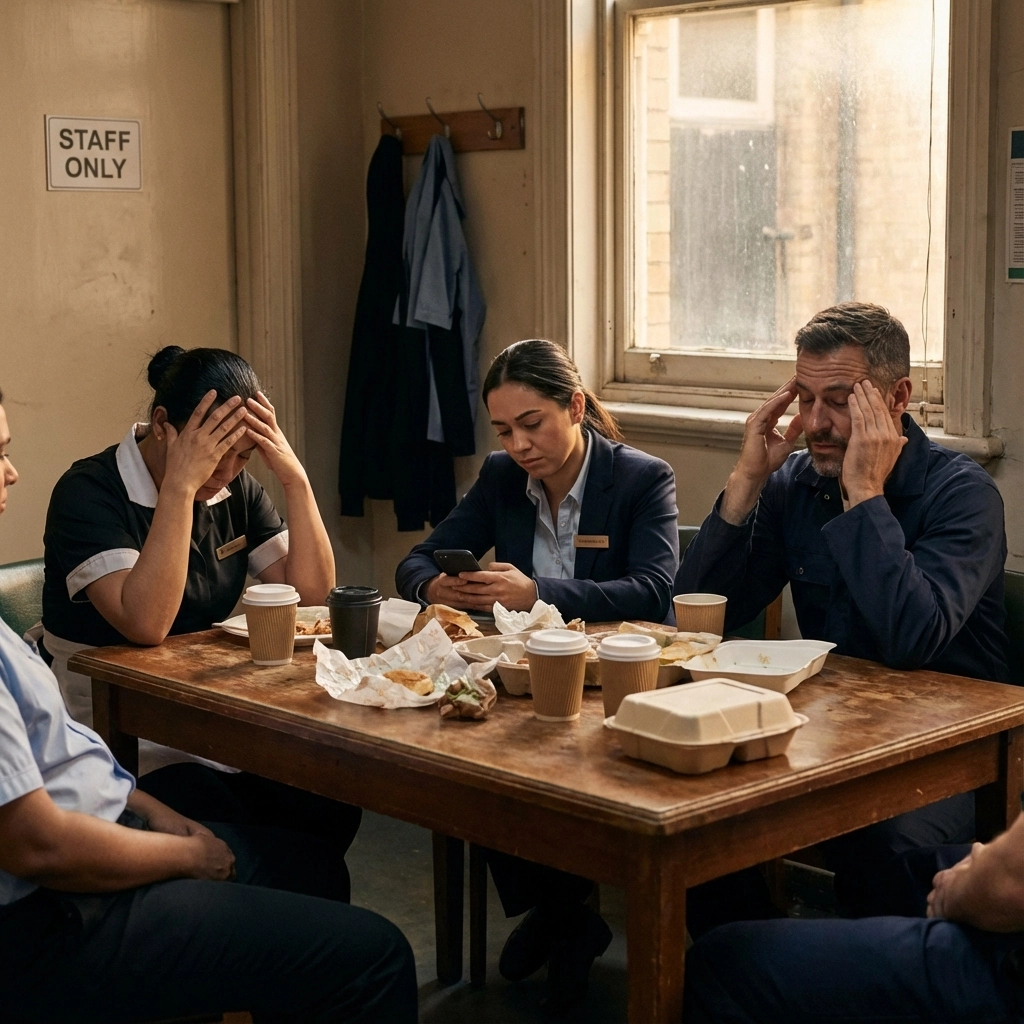
Yet most leaders treat burnout as an individual problem rather than a cultural one. They focus on resilience training instead of sustainable workload design. They encourage self-care while maintaining systems that drain people faster than they can recharge.
The real fix involves structural changes: Reasonable workload expectations that actually match reality, not wishful thinking. Genuine respect for time off, not just policy statements. Work-life boundaries that leaders model, not just mandate.
The hospitality truth here is simple: you can't create memorable guest experiences with a team that's running on empty. Sustainable high performance requires periods of recovery, and that has to be built into how you operate, not treated as a luxury.
Mistake #5: Assuming Management Skills Transfer
Here's a puzzling trend: today's managers are becoming more self-aware while simultaneously losing effectiveness in managing team dynamics. Conflict resolution skills are actually declining, even as emotional intelligence rises.
The problem is that leadership development often focuses on individual awareness without building practical frameworks for team leadership. Managers know they should be better listeners, but they don't know how to navigate a heated disagreement between two team members.
What actually works: Specific skills training with real scenarios. Conflict resolution practice that goes beyond "active listening." Change leadership frameworks that help managers guide their teams through uncertainty rather than just projecting confidence they don't feel.
The hospitality angle matters here because service teams face constant interpersonal dynamics. A manager who can't address tension between housekeeping and front desk isn't just failing at management: they're compromising the guest experience.
Mistake #6: The Leadership Intention Gap
This might be the most common blind spot I see. Leaders believe they're displaying transparency, support, and equity. Meanwhile, employees experience confusion, exclusion, and instability due to unclear policies and inconsistent application.
The gap between leadership intention and employee experience destroys cultures quietly. Leaders think they're communicating clearly while employees feel left in the dark. Leaders believe they're being supportive while employees feel micromanaged or abandoned.
The solution requires regular reality checks: Ask your team what they're actually experiencing, not just what you think you're providing. Look for patterns where different managers apply policies differently. Pay attention to the informal systems that contradict your formal messages.
In hospitality, this gap shows up everywhere: in how different shifts handle guest complaints, how various departments interpret service standards, and how policies get translated into daily practice.
Mistake #7: Avoiding the Hard Conversations
The biggest culture killer might be the conversations that don't happen. Employees worry about AI replacing their roles, but leaders project confidence and avoid acknowledging the uncertainty. Team members see obvious problems, but meetings focus on positive updates and strategic initiatives.

When leaders only admit mistakes after they become public and ask questions only when they already know the answers, everyone else mirrors that behavior. The result is a culture of managed optimism that breeds cynicism underneath.
The fix requires leadership vulnerability: Admit what you don't know. Ask questions without predetermined answers. Acknowledge the elephants in the room instead of pretending they're not there. Provide clarity where possible, and offer transparency about uncertainty when clarity isn't available.
This isn't about becoming a pessimistic leader: it's about becoming a honest one. In hospitality, authenticity creates connection. Fake cheerfulness creates distance.
The Common Thread
All seven mistakes share a common root: they prioritize systems over relationships and measurement over presence. The organizations that break through understand that culture isn't something you implement: it's something you embody.
The hospitality edge reveals the truth here. Service completes tasks, but hospitality creates feelings. Culture programs complete initiatives, but culture leaders create experiences. People remember how their workplace made them feel, not what policies were announced or what surveys were completed.
The question isn't whether you're measuring culture effectively. The question is whether you're creating moments that make people want to bring their best selves to work.
What moments are you creating? And more importantly( what are your people feeling in those moments?)
Comments